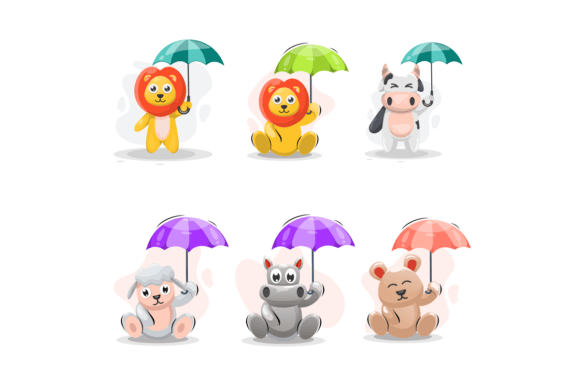
Animal Illustration Vector 1: Crafting Playful Brand Identities
When you are building a visual language for a brand, the difference between "cute" and "strategic" often lies in the details. I have seen countless entrepreneurs struggle to find the right balance between approachability and professionalism, particularly when targeting families or lifestyle markets. This is where specific design assets come into play. Animal Illustration Vector 1 is not just a collection of images; it is a comprehensive toolkit designed to inject personality into brand identity systems. It functions as a versatile design asset that bridges the gap between whimsical charm and modern clarity. If you are looking to establish a visual tone that feels friendly yet curated, understanding how to deploy this specific vector set is essential.
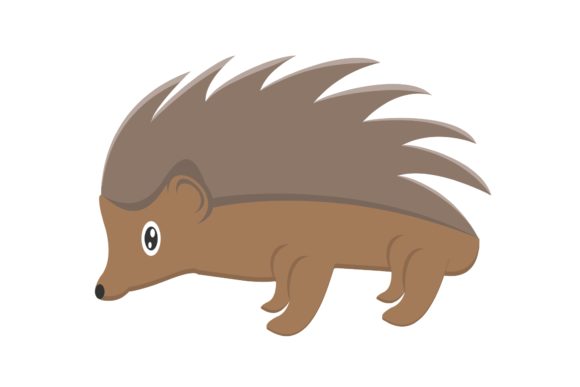
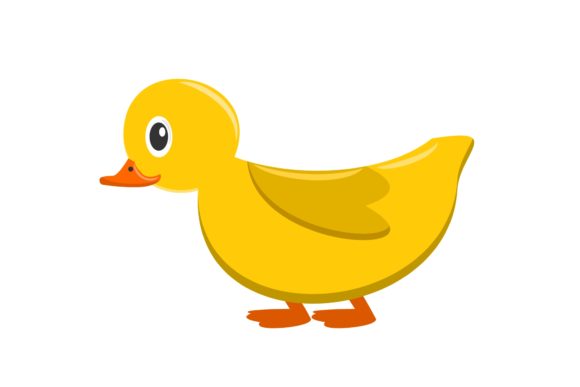
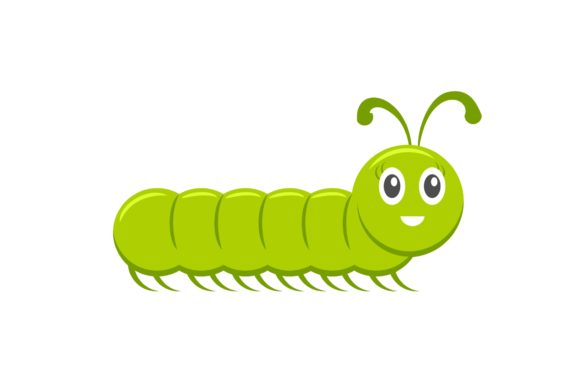
The visual characteristics of Animal Illustration Vector 1 lean heavily into a modern, flat aesthetic with subtle texturing. You will notice that the line work is confident but not overly aggressive. The shapes are geometric enough to feel contemporary, avoiding the overly childish look of outdated clipart, yet organic enough to feel hand-crafted. This style is incredibly effective for modern typography trends, where clean lines are preferred. The personality here is approachable; these are animals that smile back at you, making them ideal for customer-facing materials. The overall appeal lies in their scalability. As vectors, they maintain crisp edges whether you are printing a massive banner or shrinking them down for a favicon. This versatility makes them a premium font alternative for visual branding—while they are images, they serve the same functional role as a display font in capturing immediate attention.
Strategic Placement: Where Visuals Drive Engagement
Knowing where to use Animal Illustration Vector 1 is just as important as the assets themselves. In my experience, these vectors perform exceptionally well in specific sectors. For editorial design, particularly in magazines or blogs targeting parents or pet owners, these illustrations can break up long blocks of text, acting as visual anchors that guide the reader’s eye. In packaging design, especially for artisanal goods, organic foods, or children’s products, the vectors provide an instant signal of quality and care. They tell the customer, "We care about the details."
Furthermore, web design benefits immensely from this style. Using these vectors as section headers or "empty state" illustrations (like a 404 page or an empty shopping cart) softens the user experience. It turns a potential frustration point into a moment of brand connection. Social media graphics are another prime territory. In a crowded feed, a consistent set of illustrated characters creates a recognizable pattern. When users scroll past a post featuring these distinct animal styles, they begin to associate that visual language with your content before they even read the caption. This is crucial for building recognition in marketing materials where scroll-stopping power is the currency.
The Psychology of Style and Audience Connection
Design is fundamentally about communication, and Animal Illustration Vector 1 speaks a specific dialect. It influences brand perception by softening the corporate edge. If you are a small business owner or a blogger, you might worry that standard stock photography feels too generic. These vectors solve that by offering a cohesive creative font of imagery. They suggest that the brand is creative, thoughtful, and perhaps a bit playful. This is vital for audience engagement. Humans are biologically wired to respond to faces and characters. By using anthropomorphized animals or friendly creature designs, you tap into an emotional response that a simple sans serif font or a landscape photo cannot achieve alone.
Consistency is another major factor. One of the biggest pitfalls in marketing is visual fragmentation. Using a mix of unrelated stock images makes a brand look disjointed. Animal Illustration Vector 1 ensures consistency across platforms. The color palettes and line weights within the set are harmonious, which contributes to a feeling of professionalism. It shows that you have invested in your visual system. This consistency aids in readability as well—not of the text itself, but of the brand message. The audience instantly "reads" the vibe of the brand as organized and intentional.
Practical Application: From Concept to Execution
So, how do you actually implement this into your workflow? It starts with evaluating project fit. Ask yourself if your target demographic responds to whimsy. If you are designing for a serious law firm, this might not be the right design asset. However, for a pet groomer, a children's bookstore, a sustainable coffee brand, or a lifestyle coach, it is perfect.
When it comes to testing font pairings, treat these vectors like a display font. They are bold and expressive. Therefore, they pair best with cleaner, more neutral typefaces. Try combining them with a geometric sans serif font for body copy. The clean geometry of the text will not compete with the organic shapes of the illustrations. Alternatively, if you want a more rustic, boutique feel, pair them with a script font or a handwritten font for headers, but use this sparingly. You want the illustrations to remain the stars of the show.
Here are a few practical tips for getting the most out of Animal Illustration Vector 1:
- Color Customization: Do not just use the default colors. Modify the vectors to match your specific brand palette. This integration makes them feel native to your logo design and website rather than "pasted on."
- Layering Techniques: Use these vectors as background elements with low opacity to add texture to business cards or flyers, or place them in the foreground as hero images.
- Commercial Licensing: Always double-check the licensing. If you are using these for a client's packaging design that will be mass-produced, ensure your license covers commercial use. This protects you and your client legally.
- Mixed Media: Don't be afraid to combine these vectors with photography. A vector animal "holding" a real product photo can create a delightful, surreal effect that works great for social media graphics.
Ultimately, Animal Illustration Vector 1 is a tool for storytelling. It allows content creators and entrepreneurs to build a world around their products. It moves beyond the limitations of standard typography and offers a way to humanize digital interactions. Whether you are a hobbyist making invitations or a marketer launching a global campaign, the strategic use of these assets can elevate your work from merely functional to truly memorable. By focusing on the synergy between your text and your imagery, you create a cohesive experience that resonates with your audience and stands the test of time.