Adorable Wings: Using Cute Animal and Airplane Illustration in Design
There is a specific kind of joy that comes from finding a visual asset that bridges the gap between childhood wonder and modern design sensibilities. We often look for premium font options to add sophistication, or we hunt for complex vector graphics to add detail, but sometimes the most effective branding tool is simply something that makes people smile. The Cute Animal and Airplane Illustration style does exactly that. It is not just a collection of images; it is a narrative tool. It combines the inherent softness and approachability of animals with the adventurous symbolism of air travel. This specific aesthetic is gaining traction because it humanizes brands, softens corporate messaging, and creates an immediate emotional connection with the viewer.
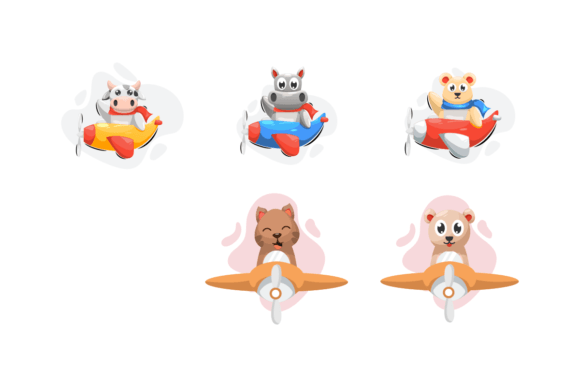
Visually, this style relies on a delicate balance. The animals are rarely depicted in hyper-realistic detail; instead, they are rendered with exaggerated features—larger eyes, softer paws, and expressive faces—that tap into our protective instincts. The airplanes, conversely, are often stylized to match this whimsy. They might be vintage biplanes or simplified jetliners, but they are always integrated with the animal characters in a way that suggests a journey. Whether it is a bear clutching a suitcase or a cat piloting a cloud, the cute animal and airplane illustration motif works best when it feels effortless. It creates a visual personality that is adventurous yet safe, making it a versatile design asset for a wide range of applications. This is not just about "cuteness"; it is about creating a world where the mundane act of travel becomes a magical adventure.
Strategic Placement: Where This Aesthetic Thrives
Understanding where to deploy the Cute Animal and Airplane Illustration style is crucial for maintaining brand identity. It excels in industries that want to communicate care, safety, and fun. For entrepreneurs in the children’s travel gear market, this is an obvious fit, but the utility extends much further. A boutique travel agency targeting family vacations could use these illustrations in their packaging design to distinguish themselves from the sterile, corporate look of major airlines. Similarly, a logistics startup that wants to appear more approachable than the competition might use a subtle animal pilot in their logo design to suggest that they handle packages with care.
In the digital sphere, the applications are endless. Social media graphics need to stop the scroll, and a whimsical illustration of a rabbit checking a flight board does that instantly. For web design, these assets can serve as engaging "empty state" illustrations (like a 404 page or a "no results found" screen), turning a moment of user frustration into a moment of delight. Publishers and bloggers can leverage this style for editorial design, particularly in lifestyle, parenting, or travel niches. A header image featuring a fox reading a map next to a toy plane instantly sets a tone of lighthearted storytelling. Even in print, such as on boarding passes for private charter companies or stickers for luggage, this illustration style adds a layer of personalized luxury that standard clipart cannot achieve.
The Mechanics of Influence: Hierarchy and Engagement
How does a drawing of a squirrel in a cockpit actually influence visual hierarchy? It does so by acting as an anchor. In a layout filled with text and data, an illustration draws the eye first. By using a Cute Animal and Airplane Illustration as a focal point, you can guide the viewer’s gaze to the most important information—usually placed adjacent to the image. This is particularly useful in infographics or instructional manuals where the content might otherwise feel dry. The illustration breaks the monotony of the grid, allowing the reader to breathe before moving to the next block of information.
Furthermore, this style heavily influences brand perception. In a market saturated with aggressive, high-contrast marketing, a soft, illustrated approach signals professionalism through attention to detail. It tells the audience that the brand cares about the user experience enough to invest in custom or high-quality creative font and illustration pairings. It builds recognition because the style is distinct; you don’t forget the brand that showed you a bear flying a biplane. This leads to higher audience engagement. Users are more likely to share content that evokes a positive emotional response. A well-placed cute animal and airplane illustration can be the difference between a brochure that gets recycled and one that gets pinned to a corkboard.
Practical Implementation: Fonts, Pairings, and Licensing
Integrating this illustration style requires a thoughtful approach to typography. You cannot pair a whimsical, hand-drawn bear pilot with a rigid, cold corporate typeface. The typography needs to support the narrative. When selecting a premium font to accompany these visuals, look for typefaces with personality. A rounded sans serif font works well for body text because it maintains legibility while feeling friendly. For headlines, a handwritten font or a script font can mimic the organic lines of the illustration, creating a cohesive brand identity. However, be cautious with serif font choices; if you want a vintage travel vibe, a slab serif can work, but a traditional high-contrast serif might feel too serious for the subject matter.
When evaluating project fit, consider the medium. If you are working on web design, ensure the illustration files are optimized for fast loading times without losing the crispness of the lines. For packaging design, consider how the colors of the illustration will reproduce on different materials—matte finishes often suit this aesthetic better than high-gloss, as they mimic the texture of paper or canvas. Font pairing is also essential here. If your illustration is detailed, keep your typography simple so they don’t compete. If the illustration is minimal, you can afford a more expressive typeface.
Finally, never overlook the boring stuff: licensing. When sourcing Cute Animal and Airplane Illustration assets or commercial font families, verify the terms. If you are a small business owner creating merchandise—like T-shirts or mugs—you need a commercial license that covers physical goods, not just digital use. Many design assets are sold with restrictions on print runs or specific media types. Read the fine print to ensure your modern typography and illustration choices are legally sound for your specific application. By combining the right visual assets with the right legal framework, you create a brand presence that is not only charming but also sustainable.